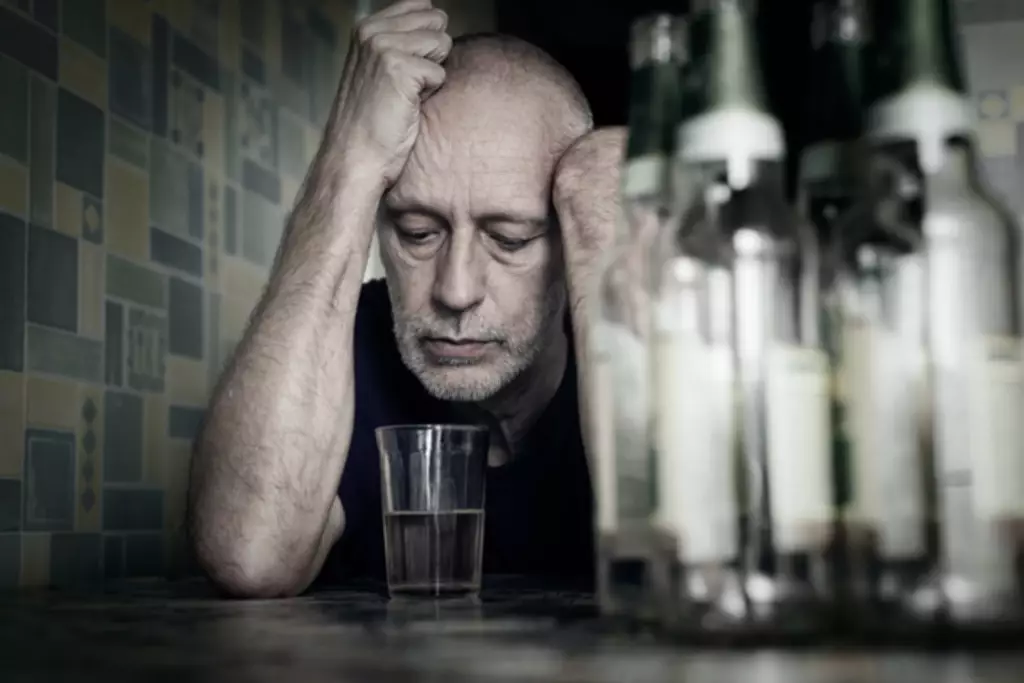
It may negatively impact your relationships — both personal and professional — and affect your mental and physical health. Each question you answered relates to a symptom of alcohol use disorder. As your number of symptoms increases, so does the severity of the risks if you continue drinking. Even if you have no symptoms, you’re probably concerned about your alcohol use. Consider seeking help now before your drinking causes serious distress or harm. Answer the questions below to find out if you have signs of a problem.
Assessments
As soon as the warning signs of alcoholism have become apparent, it is best to seek treatment right away and not wait for the disease to progress further. When alcoholism starts to affect day-to-day life, an intervention is needed. Different individuals will have different needs when it comes to treatment for alcohol use disorder. Treatment might involve a residential inpatient stay, a brief intervention, an outpatient program, or individual or group counseling. The main treatment goal is always the same, though, which is working towards stopping the use of alcohol in order to improve one’s quality of life. This subtype of people who have alcohol use disorder are typically employed and roughly half of them come from families that have suffered from multigenerational alcoholism.
Jax Taylor Admits ‘I Am an Addict’ as He Candidly Speaks Out About His ‘Substance Issues’ with Cocaine and Alcohol
- And when you’re ready, learn about alcohol detox or othertreatment programsor get started withonline rehab.
- Alcoholism can damage relationships, careers, and overall health, including liver disease and mental health issues.
- Alternatively, answer the questions in our quiz below honestly for an accurate self-diagnosis.
Researched, fact-checked and transparent articles and guides that offer addiction and mental health insight from experts and treatment professionals. It’s no wonder that Alcoholics Anonymous many Americans ask themselves, “Am I an alcoholic? In the United States, nearly twice as many people suffer from alcoholism than all other substance use disorders combined. According to a 2017 national survey, nearly 14.5 million Americans struggle with an alcohol use disorder, compared to 7.8 million who battle addictions to illicit drugs. Alcoholism is a serious condition that affects every aspect of life, from your physical health to your emotional well-being and relationships. If you’ve been questioning your relationship with alcohol and asking, am I an alcoholic, the time to act is now.
What Is Alcoholism and Alcohol Use Disorder?
An alcohol addiction changes your brain chemistry and drives you to drink more often. Initially, you may continue to drink for pleasure, but after excessive alcohol use, you’ll drink to avoid withdrawal Am I an Alcoholic symptoms. Those who abuse alcohol may have an easier time breaking their heavy drinking habits. On the other hand, alcoholics will likely experience dependency-induced consequences.

Am I An Alcoholic? Warning Signs of Alcoholism and Alcohol Use Disorder
Patrick has worked in Clinical Operations, Clinical Case Management, and Clinical Therapy throughout his career. Through this integrated approach, individuals can gain valuable tools and strategies to prevent relapse, manage triggers, and build a fulfilling life free from alcohol dependency. Ongoing therapy options are also available to provide continued support and guidance throughout the recovery journey.
Our online health insurance verification system will estimate your in-network and out-of-network deductibles, coinsurance percentages and out-of-pocket maximums. Within 5 minutes, you’ll receive an email with these details – free of charge. Chronic alcohol use can weaken the immune system, making the body more susceptible to infections like pneumonia and tuberculosis. Alcohol can disrupt immune pathways in complex ways, including reducing the number and function of certain immune cells.
- People with a moderate alcohol addiction may binge drink so frequently that they do not show signs of tolerance or withdrawal.
- Some people with mild symptoms can cut back or quit on their own, but others may need medical treatment and support to achieve long-term sobriety.
- With dedication, expert guidance, and the encouragement of a strong support system, it is entirely possible to break free from alcohol misuse and reclaim a healthier, more fulfilling life.
- This is typically performed at a hospital or at an inpatient treatment center.
- While not everyone who drinks socially has AUD, it’s important to recognize when weekend drinking turns into something more.
Taking an Alcoholism Self-Assessment Test
Heavy drinking may occur on occasion for some people, but they are able to stop drinking when they want. Someone who is an alcoholic does not feel like they can stop drinking whenever they want, and they often have to drink more and more to feel satisfied. Consuming alcohol occasionally or even on a nightly basis does not automatically mean someone is an alcoholic. Other factors, such as how much someone is drinking and the reasons behind their alcohol use, are better indicators of a potential alcohol use disorder. Individuals in the intermediate familial subtype are, on average, age 38 and are usually employed.